Teacher Table Books Line Art: An Embroidery Designer's Honest Review
Whenever I get a new design file, my first question isn't just about its technical specs—it's about its soul. How will it feel once it's stitched? So, let's talk about the Teacher Table Books Line Art from the perspective of someone who's about to actually run this through an embroidery machine and put it on a product a customer will buy, wear, or gift.
A Design That Speaks Before You Even Thread the Needle
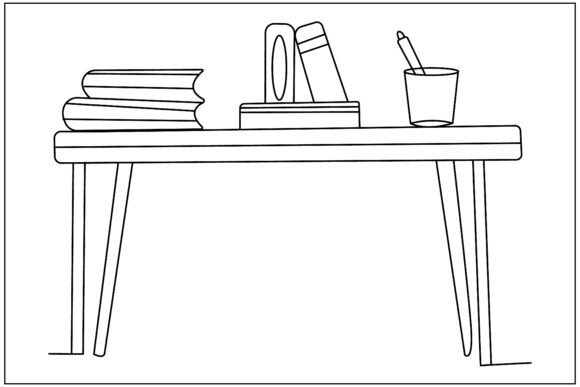
The immediate impression of this design is one of quiet, organized charm. It’s a clean illustration, which as an embroidery designer, I always appreciate. The theme is universally understood: a love for books, learning, and that classic teacher’s table. This isn’t a loud, flashy graphic; it’s a thoughtful, narrative one. The layout is balanced, and the detail level appears to be just right—not overly simplistic, but not crammed with tiny elements that would vanish into a blur of stitches on a textured fabric.
This visual personality feels nostalgic and respectful. It naturally belongs to projects meant for personalized gifts, small shop merchandise, or items that celebrate education. I'm already picturing it on a tote bag for a librarian, a pillow cover for a teacher’s reading nook, or the front of a cozy sweatshirt. The mood it creates is warm and professional, which is a powerful combination in the handmade market.
The Real-Life Embroidery Test: From File to Finished Product
My mental process always starts with a specific scenario. Let's say I have a client who wants a custom embroidered tote bag as a thank-you gift for a retiring teacher. I pull up Teacher Table Books Line Art and start thinking practically.
On a canvas tote, the design's clean lines would translate beautifully. The likely use of satin stitches for the table and books, and perhaps running stitches for the finer details, would give it a polished, handmade look. The lack of overly dense fill areas suggests it won’t be too heavy or stiff on the fabric, maintaining the bag's flexibility. For a sweatshirt embroidery project, I’d consider placement—centered on the chest, it would feel classic and wearable.
This design also has strong potential for baby embroidery on a little onesie or blanket for a teacher’s new baby, or as a sweet, small-scale patch on a denim jacket. As an Etsy seller, I can see it working well on tea towels, apron pockets, or simple pillow covers. It lends itself to holiday embroidery gifts during back-to-school season or Teacher Appreciation Week. Its clarity makes it excellent for digital product previews and printable mockups, helping customers visualize the final finished product.
Where This Design Requires a Designer's Careful Eye
No design is perfect for every application, and honest review means pointing out where to proceed with caution. The success of Teacher Table Books Line Art depends heavily on scale and context.
If you're thinking of using it in very small hoop sizes, you must inspect those smaller details—the lines of the books, the table legs. They could become less distinct if shrunk too much. On textured fabrics like certain sweaters or linen, you’ll need the right stabilizer to keep those clean lines crisp. Embroidering on thin fabric or stretchy fabric requires extra testing to prevent puckering, even with a well-balanced design.
I would be particularly mindful using it on dark fabric. The illustration style might rely on negative space and line work. You’ll need excellent thread color contrast—a bright white or a bold color—to make it pop. On curved surfaces like caps, the rectangular table shape might need slight adjustment in placement to look natural. Always, always test the design on scrap fabric first.
How It Elevates Your Work and Resonates with Customers
From a business and craft perspective, this design affects more than just the stitch count. Its visual appeal is sophisticated. That clarity translates directly to stitching clarity on the final product, which builds customer trust. A clean, well-executed embroidered item speaks to professionalism and care.
For a craft business, it offers brand consistency if you specialize in educational or literary themes. Its giftability is high—it’s instantly recognizable and carries emotional weight. As a personalized gift, it feels considered and unique. This enhances the perceived product value and can directly improve buyer engagement in your shop listings.
Practical Notes Before You Hoop Your Fabric
Here’s my checklist before I’d use Teacher Table Books Line Art for a client project or my own small shop product:
- Run a test on the specific fabric you plan to use, even if it's just a small corner. Check for stitch density and any potential thread buildup.
- Examine the design file carefully for any tiny corners or intersections that might need a slight adjustment in your machine settings.
- Test it in both light and dark fabric mockups, even digitally, to plan your thread palette.
- Confirm the appropriate hoop size for your desired final product size. Don't assume.
- Verify the embroidery file compatibility with your machine, as the product is categorized under Illustrations and Graphics.
- Most importantly, confirm the licensing before selling finished items or using it in commercial embroidery projects. The description mentions use for many products, but clear understanding is your responsibility.
Remember, a great embroidery design like this isn't just a digital asset; it's the starting point for a physical object that carries meaning. Teacher Table Books Line Art has the quiet strength and clear visual language that can make that transition from screen to stitch a genuinely successful one, building a final product that looks handmade with intention and care.