Review of Bread and Knife Line Art for Embroidery
A First Impression: Simple Yet Charming
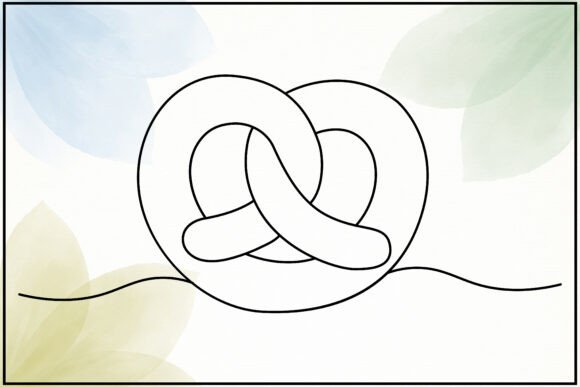
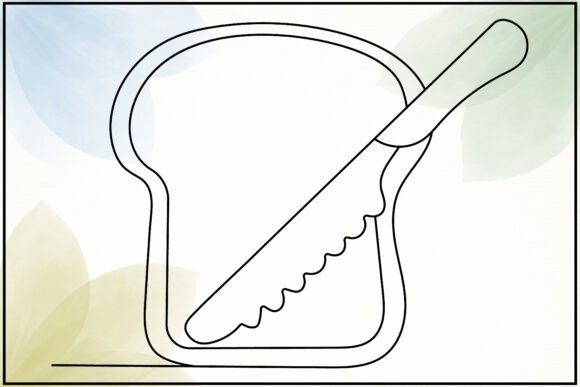
When I first laid eyes on the Bread and Knife Line Art, I was immediately struck by its simplicity and charm. The design exudes a cozy, homely feel that can be both comforting and inviting. The clean lines and minimalistic approach make it an ideal choice for a variety of embroidery projects, especially those that aim to evoke a sense of warmth and familiarity.
Perfect for Home and Kitchen Decor
The Bread and Knife Line Art is a natural fit for kitchen and home decor items. Imagine this design embroidered on a tea towel or a kitchen apron. The simple, yet elegant lines would add a touch of sophistication while maintaining a welcoming vibe. It's also perfect for creating custom embroidered pillow covers or table runners, enhancing the overall aesthetic of any dining or living space.
Custom Apparel and Personalized Gifts
For those looking to create custom apparel, the Bread and Knife Line Art offers a versatile option. A sweatshirt or t-shirt with this design would be a delightful addition to anyone's wardrobe, especially for those who appreciate a touch of culinary art. As a personalized gift, this design can be used to create unique and thoughtful items such as baby onesies, caps, or even a set of embroidered napkins for a special occasion like a wedding or a housewarming party.
Stitch Clarity and Fabric Texture
When using the Bread and Knife Line Art in embroidery, it's important to consider the stitch clarity and fabric texture. The design's clean lines and minimal details make it suitable for a range of stitch types, including satin stitch, fill stitch, and running stitch. However, the choice of thread colors and the density of the stitches can significantly impact the final look. For instance, using a high-contrast thread color on a light fabric can make the design stand out beautifully, while a more subtle, tonal approach can create a more subdued, elegant effect.
Testing and Adjustments
Before embarking on your project, I highly recommend testing the Bread and Knife Line Art on scrap fabric. This will help you gauge the stitch density, inspect small details, and ensure that the design meets your expectations. Additionally, experimenting with different stabilizers and hoop sizes can help you achieve the best results, especially when working with textured or stretchy fabrics.
Where to Use with Caution
While the Bread and Knife Line Art is generally versatile, there are some embroidery situations where it should be used with caution. For example, very small hoop sizes may not do justice to the design's details, and curved surfaces like caps might require adjustments to maintain the integrity of the line art. Dark fabrics can also present a challenge, as the design's fine lines might not stand out as well without careful consideration of thread colors and stitch density.
Enhancing Visual Appeal and Value
The Bread and Knife Line Art has the potential to enhance the visual appeal and value of any handmade product. Whether it's a custom tote bag, a personalized baby item, or a boutique product, the design's charming and versatile nature can elevate the overall presentation. Customers are likely to appreciate the attention to detail and the thoughtful design, which can build trust and engagement with your brand.
Final Thoughts and Practical Tips
- Test on Scrap Fabric: Always start by testing the design on scrap fabric to ensure the stitch density and details are to your liking.
- Check Thread Colors: Experiment with different thread colors to find the best contrast and visual impact, especially on light and dark backgrounds.
- Use Proper Stabilizer: Choose the right stabilizer for your fabric type to maintain the design's shape and prevent puckering.
- Confirm Licensing: Before selling finished items or digital products, make sure to check the licensing terms to ensure compliance.
In conclusion, the Bread and Knife Line Art is a charming and versatile design that can add a touch of elegance and warmth to a wide range of embroidery projects. With careful planning and testing, it can be a valuable asset for any embroidery designer, small business owner, or crafter looking to create high-quality, visually appealing products.