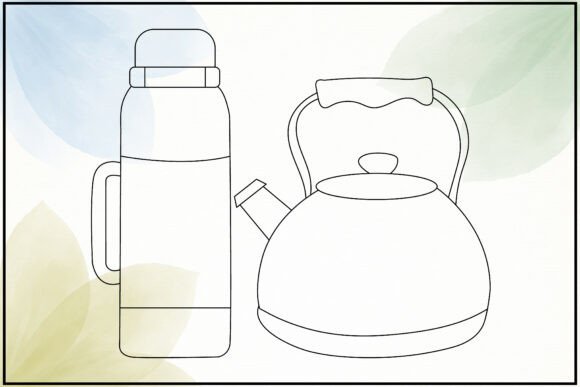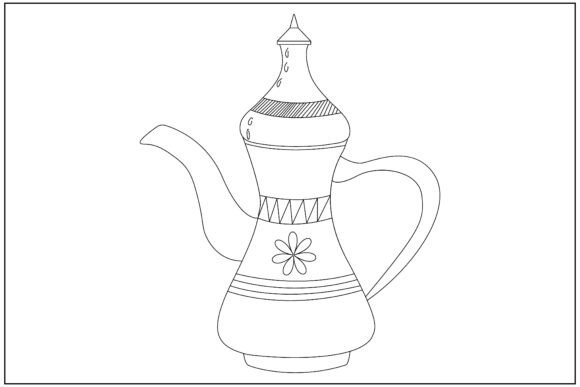
Arabic Teapot Islamic Line Art: A Versatile Graphics Asset
As a seasoned blog designer and digital publisher, I'm always on the lookout for high-quality graphic design assets that can elevate my content. The Arabic Teapot Islamic Line Art caught my eye with its intricate and elegant design, making it a perfect fit for various editorial and creative projects.
First Impressions and Editorial Mood
The first thing I noticed about the Arabic Teapot Islamic Line Art is its clean and detailed lines, which create a sophisticated and artistic feel. This design naturally supports content in niches such as lifestyle, travel, and cultural exploration. It exudes a modern yet traditional aesthetic, making it ideal for bloggers and publishers who want to add a touch of elegance and cultural richness to their visuals.
Real Publishing Situations
This graphic design asset is incredibly versatile and can be used in a variety of real publishing situations:
- Blog Featured Images: Use it as a visually striking featured image to draw readers into your articles.
- Pinterest Graphics: Create eye-catching Pinterest pins that stand out in crowded feeds.
- Article Headers: Enhance the visual appeal of your article headers, making them more engaging and shareable.
- Website Banners: Incorporate it into your website banners for a polished and professional look.
- Newsletter Graphics: Add a touch of sophistication to your newsletters with this line art as a header or accent.
- Digital Guides and Lead Magnets: Use it to create visually appealing digital guides and lead magnets that attract and retain subscribers.
- Social Media Posts: Craft social media posts that are both beautiful and shareable, enhancing your brand's presence online.
Supporting Content Performance
The Arabic Teapot Islamic Line Art can significantly enhance the performance of your content by providing:
- Stronger First Impression: Its intricate and detailed design immediately captures attention, making your content more memorable.
- Clearer Visual Hierarchy: The clean lines and well-defined shapes help in creating a clear visual hierarchy, guiding the reader's eye through your content.
- Better Click-Through Potential: The elegant and unique design can increase click-through rates, especially when used in featured images and social media posts.
- Consistent Branding: Using this line art across different platforms helps in maintaining a consistent and recognizable brand identity.
- Improved Reader Trust: High-quality graphics like this one can build trust with your audience, showing that you pay attention to detail and quality. Stronger Visual Identity: The distinct and culturally rich design helps in establishing a strong and unique visual identity for your brand.
Where It Works Best
The Arabic Teapot Islamic Line Art works exceptionally well in the following areas:
- Heros Images: As a hero image, it can set the tone for your entire page, drawing visitors in with its elegance.
- Article Thumbnails: Use it as a thumbnail to make your articles stand out in search results and on your blog's homepage.
- Pinterest Pins: Its detailed and unique design makes it perfect for creating standout Pinterest pins.
- Blog Graphics: Incorporate it into your blog graphics to add a touch of sophistication and cultural depth.
- Editorial Accents: Use it as an accent in your editorial layouts to break up text and add visual interest.
- Content Upgrades and Downloadable Resources: Enhance the value of your downloadable resources with this beautifully designed line art.
- Category Visuals: Use it to represent categories related to culture, travel, and lifestyle, making them easily identifiable.
- Newsletter Headers: Add a touch of elegance to your newsletter headers, making them more appealing to your subscribers.
- Social Media Previews: Use it in your social media previews to create a cohesive and visually appealing presence across all platforms.
Use It Carefully In These Areas
While the Arabic Teapot Islamic Line Art is highly versatile, there are some areas where it should be used with caution:
- Small Mobile Thumbnails: The intricate details may not be visible in small thumbnails, so test it thoroughly on mobile devices.
- Text-Heavy Blog Images: Ensure that the line art does not overpower the text, and maintain a good balance between the two.
- Low-Contrast Backgrounds: Test it on low-contrast backgrounds to ensure that the design remains visible and legible.
- Busy Layouts: Avoid using it in overly busy layouts where it might get lost or compete with other elements.
- Serious Professional Niches: While it can work in some professional contexts, it may not be suitable for very serious or corporate content.
Practical Publisher Notes
Here are some practical tips to ensure the Arabic Teapot Islamic Line Art works seamlessly in your publishing projects:
- Test on Desktop and Mobile Screens: Ensure the design looks great on both desktop and mobile devices.
- Check Thumbnail Appearance: Preview how it looks as a thumbnail to ensure it remains impactful even at smaller sizes.
- Preview in Real Blog Layouts: See how it fits into your actual blog layout to ensure it complements your existing design.
- Test with Headline Text: Check how it looks with different headline fonts to find the best combination.
- Review Contrast and Readability: Ensure the design has good contrast and readability, especially if used with text.
- Try in Black and White: Consider using it in black and white for a classic and timeless look.
- Place Beside Different Font Styles: Experiment with serif, sans-serif, script, handwritten, and display fonts to see what works best.
- Check File Size for Web Performance: Compress the images properly to ensure fast loading times without compromising quality.
- Confirm Commercial Licensing: Always check the commercial licensing before using it on monetized websites, affiliate pages, or paid content products.
In conclusion, the Arabic Teapot Islamic Line Art is a valuable addition to any content creator's toolkit. Its versatility, elegance, and cultural richness make it a standout choice for enhancing blog visuals, website branding, and editorial content. With careful consideration and testing, it can significantly improve the visual appeal and performance of your publishing projects.